
Did you know that roof replacement cost shockingly varies not just by material, but by region, time of year, and the contractor you choose? Every year, thousands of homeowners overpay—sometimes by several thousand dollars—simply because they don’t understand the cost breakdown. In this guide, you’ll learn exactly what impacts roof replacement costs, how to spot hidden fees, and smart tactics for saving without sacrificing quality.
- Critical factors influencing roof replacement cost
- How roofing material and labor costs affect your budget
- Ways to compare and evaluate roofing company quotes
- Money-saving strategies for your roof replacement project
The Truth About Roof Replacement Cost: Surprising Statistics and Common Myths
“The average roof replacement cost in the U.S. can range from $8,500 to $16,000, but overpaying is a common mistake for homeowners.”
When it comes to roof replacement , few homeowners realize how much costs can fluctuate. While the average roof replacement cost might be advertised upfront, myths abound about what’s included and what can drive the final price higher. For example, some believe the cheapest estimate is always best, but this often results in hidden fees, subpar materials, or unqualified labor. Others are surprised to learn that not all roofing companies use the same quality materials or uphold manufacturer warranties. Understanding these myths and the real statistics behind them will help you make informed decisions as you consider replacing your roof.
It’s not just about material costs. Factors like labor costs, roof size, and even your home’s geographic location hugely affect what you’ll pay. Many homeowners are unaware that seasonality, permit fees, and roof pitch can all push the replacement cost up. This misinformation can make it difficult to set a realistic budget or choose the right contractor. Awareness of these truths is the first step toward averting costly mistakes and ensuring your roof replacement investment is sound.
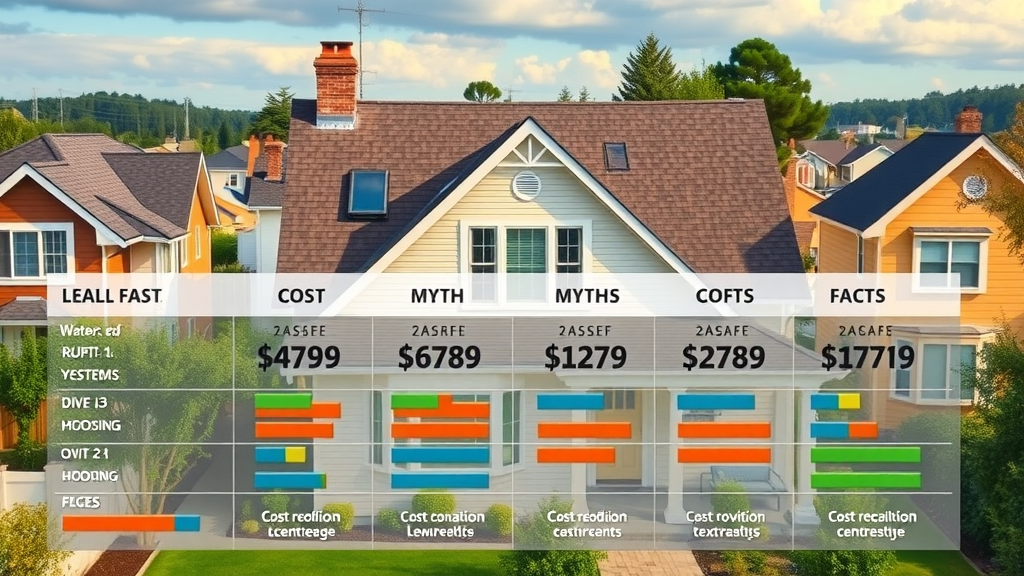
What Impacts Roof Replacement Cost the Most?
Several critical factors determine your roof replacement cost . Chief among them is the roof size —the larger the square footage of your roof, the higher your project cost will be. But that’s just the start. The type of roofing material you choose, whether affordable asphalt shingles or premium metal, tile, or wood shake, dramatically affects the replacement cost too. Additionally, labor cost is a significant factor. Rates vary widely based on contractor expertise, your region, and the physical challenges posed by your roof’s shape and pitch.
The accessibility of the roof and its pitch can require special equipment or extra safety measures, directly impacting labor costs. Where you live also changes the cost equation: Replacement costs in urban areas are often higher due to increased demand and stricter local building code requirements. Finally, permit fees and disposal charges—often hidden in the fine print—can significantly affect your total outlay. Understanding which elements you have control over, and which you don’t, is key to avoiding overpaying when replacing your roof.
- Roof size and square footage
- Type of roofing material
- Roofing contractor labor cost
- Roof accessibility and pitch
- Geographic location of the property
- Permit and disposal fees
How Roof Size and Square Foot Affect Roof Replacement Cost
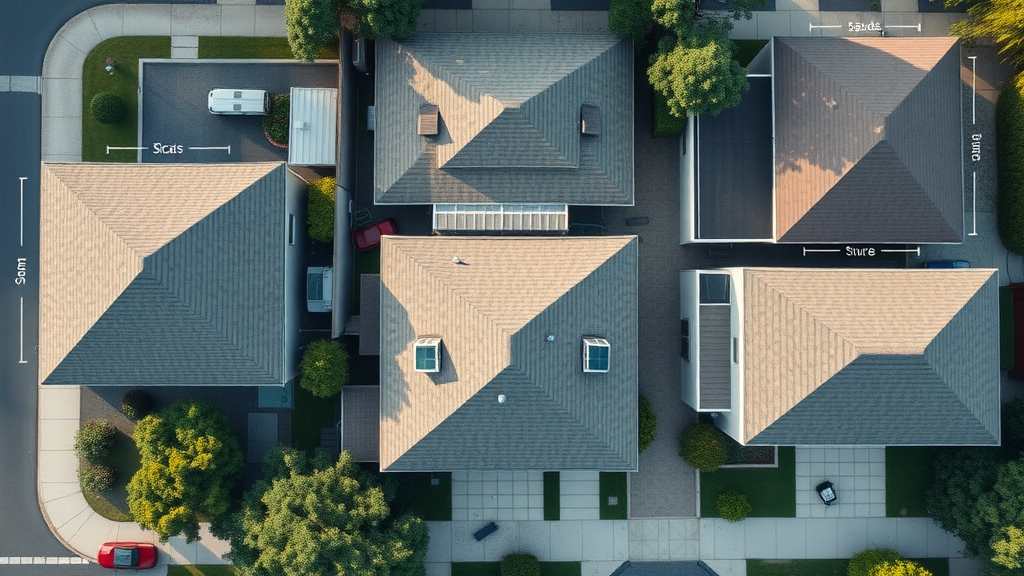
The square foot measurement of your roof is one of the most important cost drivers. A larger roof requires more materials and more time to complete, which means both material and labor costs are higher for big roofs than for small ones. Homeowners often underestimate their roof’s true size since it’s typically measured in squares (100 square feet per square) rather than simply the square footage of the home’s footprint. Steeper roofs and those with complex shapes might also have more surface area than the basic width and length suggest.
Estimating based on incorrect roof size can lead to big surprises on installation day. Roofing contractors usually measure the actual footage of your roof and then calculate the replacement costs accordingly. Knowing the exact square footage ensures you only pay for the materials and labor you truly need. Take time to understand how your roofer measured your home’s roof, and always request a breakdown of the cost by size.
If you’re comparing local providers, it’s helpful to review the range of Denton roofing companies and their specialties to better understand how contractor experience and service offerings can influence your overall roof replacement cost.
| Roof Size (sq ft) | Estimated Replacement Cost |
|---|---|
| 1,000 | $6,000 – $11,000 |
| 2,000 | $8,500 – $16,000 |
| 3,000 | $12,000 – $23,000 |
| 4,000+ | $16,000 – $31,000 |
Understanding Roofing Material Options and Their Impact on Roof Replacement Cost
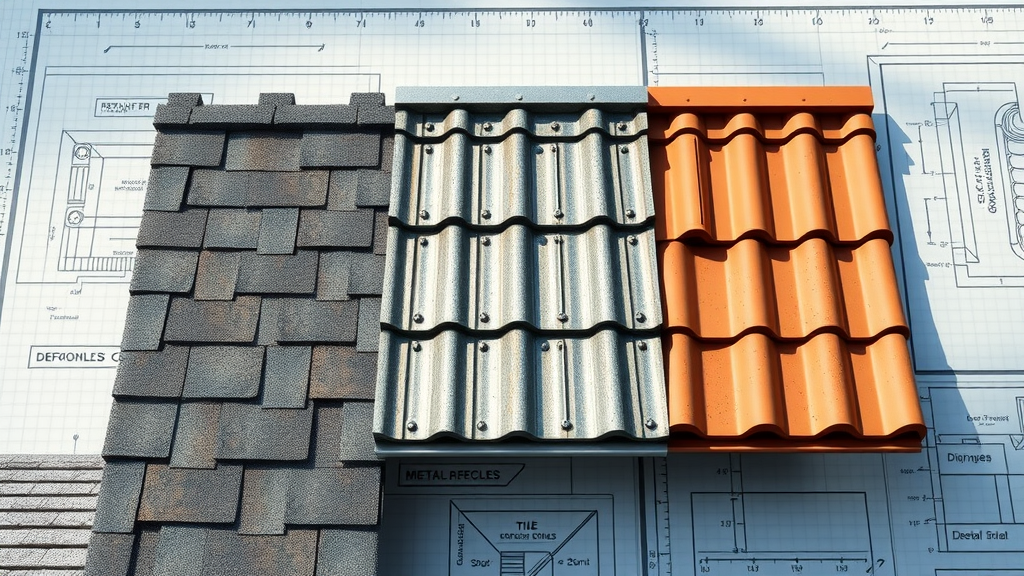
Roofing materials have a tremendous influence on your final roof replacement cost . Materials range from budget-friendly, like asphalt shingles , to high-end, like metal or tile. Each type of material has different installation requirements, longevity, and appearance. Choosing the right material for your home means evaluating not only the upfront price but also how long the roof will last and what maintenance it requires in your local climate.
For example, standard asphalt shingle roofs are often the most affordable and simplest to install, making them popular for many homeowners. On the other hand, metal roofing, tile, or wood shakes come with a higher price tag, but they can also boost curb appeal and provide superior durability. Understanding these options and their associated replacement costs helps ensure you invest where it matters and avoid unnecessary upcharges.
Asphalt Shingles vs. Premium Roofing Materials
When comparing roofing materials , it’s vital to look beyond just the purchase price. Standard asphalt shingles are widely used because they offer a balance of affordability, reliability, and easy installation. However, these shingles typically have a shorter lifespan than premium products. Premium materials —like metal, tile, and wood shake—require a larger upfront investment but often offer better durability, resistance to weather, and sometimes lower maintenance costs over time.
- Standard asphalt shingles: Most affordable roofing material for roof replacement
- Metal, tile, and wood shake: Premium roof replacement costs
Ultimately, the best choice comes down to your budget, style preference, and how long you plan to stay in your home. Be sure to discuss the pros and cons of each material with your roofing contractor, and ask for detailed estimates that compare both material and installation costs.
Labor Costs: A Major Factor in Roof Replacement Cost
Labor cost is often the single largest expense after the roofing materials themselves. Roof installation is complex and physically demanding work, requiring skilled professionals, safety precautions, and often several days to complete. Labor costs can make up between 40% and 60% of your total roof replacement costs , depending on factors like the roof’s complexity, location, and the going wage rates in your area.
Labor rates aren’t just set by the hour—they also reflect the experience of the crew, demand in your region, and the type of roof being installed. For example, steeply pitched or highly intricate roofs take longer to complete and may require extra safety equipment. Because labor is such a big part of your replacement costs, always look carefully at how it’s broken out in any estimate before you sign a contract.
How Labor Cost Is Calculated by Roofing Contractors
Most roofing contractors arrive at their labor cost using several factors. First is the standard hourly rate, which can vary dramatically depending on where you live and how much competition there is for skilled workers. The second is the complexity of your roofing project—simple, flat roofs cost less, while steep or multi-level roofs cost more due to extra safety and time considerations. Finally, local labor market conditions also affect what you’ll pay; for example, after a major weather event or during peak home improvement seasons, prices tend to rise.
- Hourly wage rates
- Complexity of your roofing project
- Local labor market variations
Homeowners can benefit by asking contractors to provide a detailed explanation of their labor charges. This transparency helps you make fair comparisons and decide if higher quotes reflect real differences in crew experience, quality, or safety practices—or just unnecessary overhead.
Roofing Company Estimates: Getting Roofing Costs in Writing
Before committing to a roof replacement , it’s critical to obtain detailed estimates in writing from multiple roofing companies . A clear, itemized quote gives you the information you need to break down costs for materials, labor, permits, and disposal. Without written documentation, you might face unexpected price hikes partway through the job or miss out on key protections if disputes arise. Look for line items that show exactly what’s included in the replacement cost —and never be afraid to ask clarifying questions.
Reliable companies are happy to spell out costs, specify which materials are being quoted, and note potential extra fees. If an estimate lacks these details, that’s a red flag. Take time to compare several contractors’ bids, and don’t let anyone pressure you into signing on the spot. A responsible roofing company will welcome your questions and provide references to back up their work quality. Always keep copies of your estimates for your records.
How to Evaluate Quotes from Roofing Contractors
- Compare multiple roofing company estimates
- Check for detailed line items: labor cost, roofing materials, and disposal fees
- Watch for unclear or hidden replacement costs
The best way to spot hidden fees is to ensure each estimate includes specifics about the type and quality of materials, exact square footage, labor rates, and all anticipated ancillary fees like permits and cleanup. By scrutinizing every line item, you put yourself in a position to negotiate fairly and avoid overpaying.
Roofing Materials Explored: Cost Versus Longevity
Not all roofing materials are priced equally—nor do they last the same amount of time. As you review estimates, compare the average lifespan of each roofing option. In many cases, a more expensive upfront roof replacement cost can deliver much lower lifetime ownership costs thanks to less frequent replacement and lower maintenance needs. For example, while asphalt shingles may cost less to install, they generally require replacement sooner than a metal or tile roof. Factor both total cost and longevity into your decision.
| Material | Average Replacement Cost (per sq ft) | Expected Lifespan (years) |
|---|---|---|
| Asphalt Shingles | $3.50 – $5.50 | 15-25 |
| Metal Roofing | $7.00 – $14.00 | 40-70 |
| Wood Shake | $7.00 – $12.00 | 20-40 |
| Clay or Concrete Tile | $10.00 – $18.00 | 50-100 |

Comparing Roof Repair vs. Roof Replacement Cost
Deciding between a roof repair and a full roof replacement can be tricky. Small leaks or damage limited to one section often require only a repair, which can be a fraction of the replacement cost. However, if your roof is nearing the end of its lifespan, or if damage covers over 30% of the surface, replacement might be more cost-effective in the long run. Repairs may appear to save you money initially, but repeated patchwork can add up to even higher prices over time.
Key differences in costs depend on the scope: roof repair typically ranges from a few hundred dollars up to $2,000, while a full roof replacement averages $8,500–$16,000 or more, depending on size and material. Major repairs or a new roof become urgent when you spot multiple leaks, curling or missing shingles, or visible rot and water stains. Consult a trusted roofing contractor for an honest assessment before making your decision.
- Signs your roof repair needs may justify full replacement
- Key differences in roof repair and roof replacement costs
Average Roof Replacement Costs Across 2024: Key Market Trends
“Roof replacement cost in 2024 is influenced by supply chain disruptions and increased labor rates.”
Average roof replacement cost continues to climb in 2024, driven by several nationwide trends. Currently, the average homeowner spends between $8,500 and $16,000 for a standard asphalt shingle roof, but costs are even higher for premium materials. Inflation, labor shortages, and supply chain delays for roofing materials all contribute to these changes. The price you pay will also reflect local market conditions—urban areas and regions with strict building codes may experience higher prices than rural communities. Always check the most recent data in your area before finalizing your budget.
Monitoring these market trends is essential. If you have flexibility in timing, choosing an off-peak period may yield lower bids. Keeping an eye on material costs and labor rates in coming months can help you decide the right time for your project, especially if you’re aiming to get the most value for your investment.
| Roof Type | Average Replacement Cost |
|---|---|
| Asphalt Shingle (2,000 sq ft) | $8,500 – $16,000 |
| Metal Roof (2,000 sq ft) | $14,000 – $28,000 |
| Tile Roof (2,000 sq ft) | $20,000 – $36,000 |
Money-Saving Tips: Lower Your Roof Replacement Cost Without Sacrificing Quality
You don’t have to compromise on quality to save money on roof replacement cost . Begin by requesting bids from several reputable local roofers. Compare quotes line by line, and make sure each includes labor cost, material cost, and any additional fees so you can spot inflated or hidden charges. If possible, schedule your project during the roofer’s off-peak season—usually late fall or early spring—which can result in discounts as companies compete for business.
Opting for a trusted local contractor often brings better prices, reliable workmanship, and responsive service compared to larger, less-personal companies. If your roof doesn’t need a complete overhaul, discuss the possibility of a partial replacement or repair, which can stretch your budget further without sacrificing protection.
- Request multiple roofing cost estimates
- Schedule your project during off-peak seasons
- Opt for trusted local roofing companies
- Consider partial replacements carefully
How to Choose the Right Roofing Contractor for the Best Roof Replacement Cost
Choosing a qualified roofing contractor is key to both protecting your investment and controlling your roof replacement cost . Begin by checking each contractor’s credentials: Are they licensed, insured, and bonded according to your state’s building codes? Next, review their experience—do they have a track record with your roof type and material? A great contractor willingly supplies references and customer reviews, helping you feel confident in their reputation.
Don’t forget to ask about warranties and insurance. A reliable roofer stands by their work with both manufacturer-backed product warranties and generous labor guarantees. This not only insulates you from surprise expenses but also signals that the company prioritizes quality and customer satisfaction.
- Credentials and experience
- Warranty and insurance
- Customer reviews and references

Permits, Disposal, and Hidden Fees in Roof Replacement Cost
Permits and hidden fees can take many homeowners by surprise. Depending on your location and local building codes, obtaining the proper permits for a full roof replacement may add hundreds of dollars to your final bill. Make sure any quote you receive specifies permit costs and includes them in the total.
Disposal fees for removing your old roof material are common, as are “surprise” charges for replacing underlayment or adding ventilation. These extra line items can quickly inflate your replacement cost if not discussed up front. Walk through every step of the project with your contractor so you’re not caught off guard.
- Typical permit costs for roof replacement projects
- Common hidden fees: dumping/disposal, underlayment, and ventilation
Roof Replacement Cost by Region: How Location Changes Your Estimate
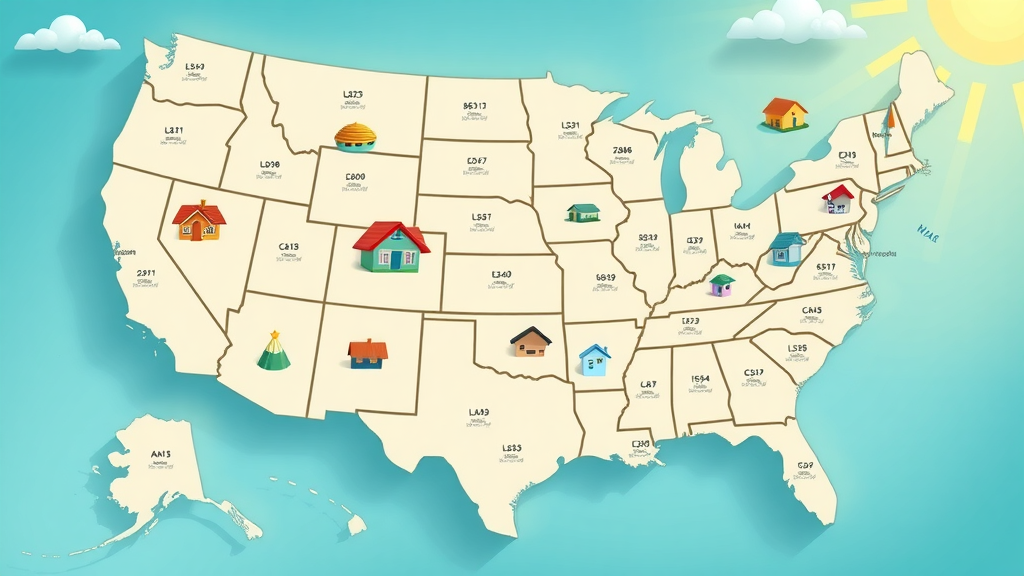
Where you live has a direct impact on your roof replacement cost . Labor rates, material preferences, local demand, and even climate play a role. For example, heavy snow regions may require sturdier (and costlier) roofing materials, while coastal areas often favor corrosion-resistant options. Southern states usually enjoy lower labor costs than the Northeast or West Coast, but material costs remain variable nationwide.
| Region | Average Replacement Cost |
|---|---|
| West | $10,000 – $23,000 |
| Midwest | $9,000 – $21,000 |
| South | $8,500 – $18,000 |
| Northeast | $12,000 – $26,000 |
Project Timeline and Scheduling: When Roof Replacement Cost Is Lowest
Timing your roofing project can make a big difference in the final replacement cost. Most roofers are busiest during summer and early fall, leading to higher prices and longer wait times. If you can schedule your project during the off-peak months, such as late fall or early spring, you’ll likely receive better rates and more flexible scheduling.
Additionally, weather plays a big role in roof replacement timing. Bad weather can cause delays and raise labor costs, while milder conditions usually mean faster, more affordable installations. Ask your contractor about the best windows for working in your region.
- Seasonal trends: Off-peak vs. peak months
- How weather and scheduling flexibility affect pricing
Insurance, Warranties, and Long-Term Value in Roof Replacement Cost
Protecting your investment should always factor into your decision. Some homeowner insurance policies cover all or part of roof replacement cost if damage is due to storms, fire, or other covered events—but not simple age or wear. Always check your insurance documents carefully before planning a replacement project.
Strong warranties are equally important. Look for roofing contractors who provide both product warranties (from the manufacturer) and labor warranties (on the work performed). These warranties safeguard you against future material failure or installation errors, adding long-term value to your new roof.
- What types of insurance cover roof replacement costs?
- How manufacturer and labor warranties protect your investment
People Also Ask About Roof Replacement Cost
Is $30,000 too much for a roof?
For most standard asphalt shingle roofs on average-sized homes, $30,000 would be considered a high price. However, if your roof is large (above 3,000 square feet), uses premium materials like tile or metal, or has a complex design, this total can be justified. Always get multiple estimates to make sure you’re not overpaying for your replacement cost.
What time of year is the cheapest to replace a roof?
The cheapest time of year to replace a roof is typically during the off-peak roofing seasons—late fall and early spring. During these times, roofing contractors have fewer jobs booked, so they’re more likely to offer discounts and flexible scheduling, helping you lower your roof replacement cost.
How much does it cost to put a shingle roof on a 2000 sq ft house?
For a 2,000 square foot home, the average cost to install an asphalt shingle roof typically ranges from $8,500 to $16,000. This range reflects regional differences in labor cost, the quality of materials chosen, and the complexity of your roof’s shape and pitch.
What is the average cost of a new roof today?
In 2024, the national average cost for a new asphalt shingle roof on a typical home is between $8,500 and $16,000. Premium materials like metal or tile can significantly exceed this amount. Always compare quotes and read all line items for an accurate budget.
Answering the Most Common Roofing FAQs
- How do I know I need a roof replacement instead of a repair?
If your roof is older than 20 years, has widespread damage, leaking in multiple places, or visible sagging, a full replacement is likely the better, more cost-effective solution. - What’s included in a roof replacement cost estimate?
A good estimate breaks down labor, materials, permit fees, disposal charges, and any potential extras like underlayment, flashing, or ventilation upgrades. - Can I finance my roof replacement cost?
Yes, many roofing companies offer financing plans, and some banks provide home improvement loans. Review all terms for interest rates and payment schedules. - How can I find reliable roofing companies near me?
Look for local contractors with strong references, proper licensing and insurance, and clear written estimates. Check online reviews and ask around in your community.
Key Steps for a Smooth and Affordable Roof Replacement
- Get a roof replacement inspection from a trusted roofing contractor
- Request multiple detailed roofing cost estimates
- Compare roofing material options carefully
- Confirm licensing, insurance, and warranties
Takeaways for Homeowners: Getting the Best Roof Replacement for Your Budget
- Roof replacement cost varies depending on size, material, labor, and location
- Never accept the first quote—shop around
- Prioritize contractor reputation and written warranties
Partner With Gillean Brothers Roofing for Transparent Roof Replacement Cost
“Trust and transparency set Gillean Brothers Roofing apart in roof replacement cost estimates.”
For maximum peace of mind, get Gillean Brothers Roofing involved today! Call GBR at940-315-7663to learn more.
As you move forward with your roofing project, remember that understanding the full landscape of roofing services can help you make the most informed decision for your home. For a deeper look at what sets a reputable contractor apart and how a trusted local team can add value beyond just the numbers, explore the story behind Gillean Brothers Roofing and their commitment to Denton homeowners . Discover how experience, transparency, and a customer-first approach can transform your roof replacement from a stressful expense into a smart, long-term investment. Take the next step with confidence—your home deserves nothing less.
Take charge of your roof replacement by seeking multiple estimates, verifying your contractor’s credentials, and insisting on written warranties for the best balance of cost and quality.